
The Arden Digest — Oct 29, 2026
A curated digest.
Rebuilding 3DS Max… in Blender!
BlenderNation · blendernation.com ↗
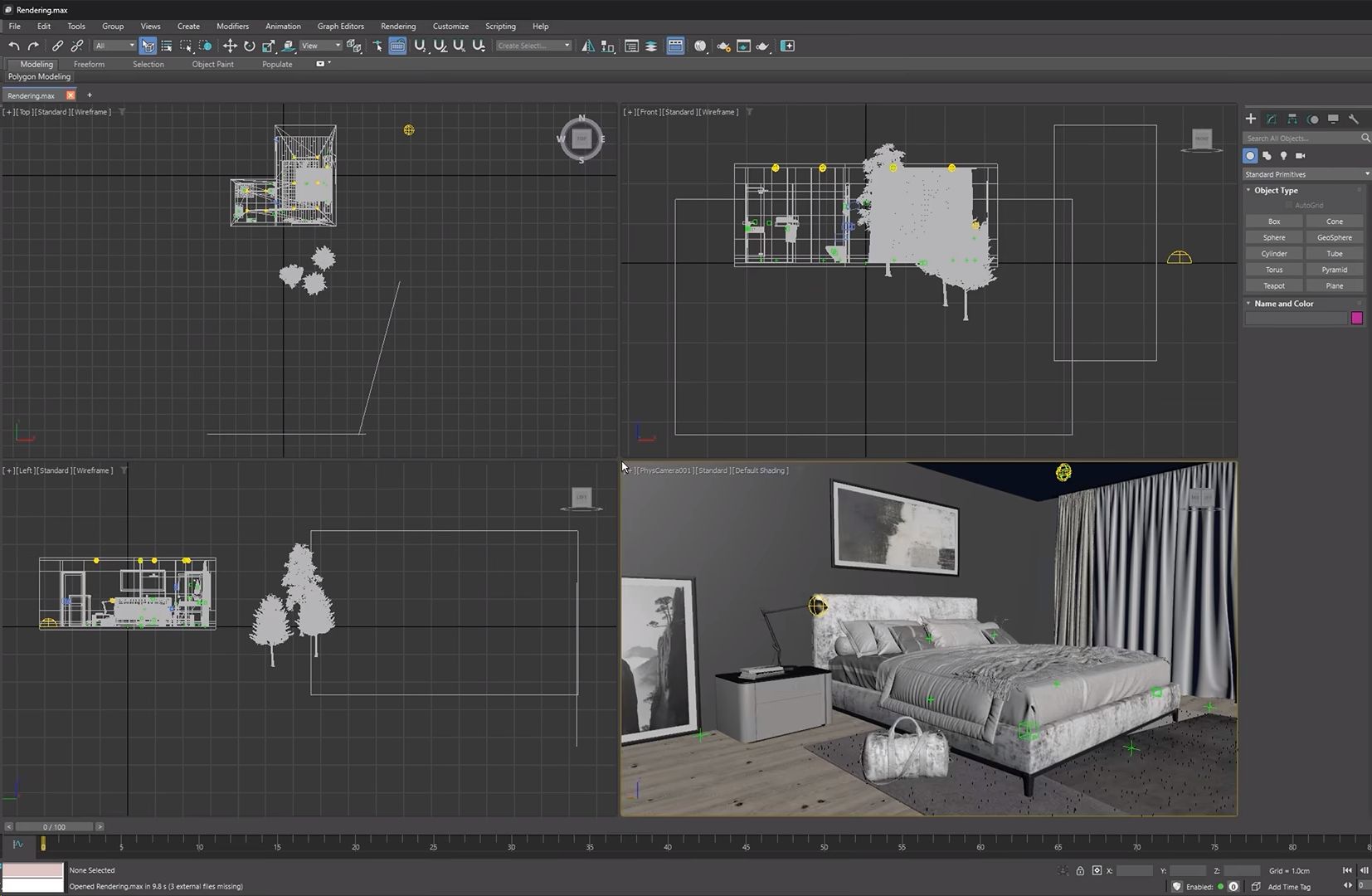
UK-based artist and longtime 3DS Max user Jake Denham has built a remarkably faithful recreation of the 3DS Max interface and workflow directly on top of Blender, with significant help from AI tools. The project isn't a commercial product but rather a personal experiment in what's possible when you combine a veteran power user's deep knowledge of a legacy application with modern AI-assisted development. Perhaps most striking is Denham's claim that his reimplementation actually outperforms the original in certain areas of speed. The project speaks to a broader trend of artists growing frustrated with expensive, proprietary DCC tools and exploring whether open-source platforms like Blender can be molded to match their preferred workflows rather than forcing artists to abandon muscle memory built over decades.

Grease Pencil in Blender 5.3: No More Mode-Switching & Finally Canvas Flip/Roll!
BlenderNation · blendernation.com ↗
Blender's upcoming 5.3 release looks set to bring meaningful quality-of-life improvements for 2D animators working with Grease Pencil, the tool that lets artists draw and animate directly inside the 3D viewport. The most significant change is the elimination of constant mode-switching between Draw Mode and Edit Mode, a workflow friction point that has long frustrated illustrators and animators who expect the fluidity of dedicated 2D apps. Alongside that, the update finally introduces canvas flip and canvas roll — features considered standard in painting and drawing applications like Krita or Clip Studio Paint. Together these changes signal Blender's continued push to make Grease Pencil a genuinely competitive tool for professional 2D production rather than a secondary feature bolted onto a 3D application.

Google Deepmind's Genie 4 puts a modern spin on agent designs that predate LLMs
Maximilian Schreiner · the-decoder.com ↗
Google DeepMind has unveiled Genie 4, an early-stage research model capable of simulating interactive, real-time 3D worlds complete with spatial audio and talking characters. Unlike earlier world models, Genie 4 integrates Google's Gemini models as a background planning layer, helping maintain narrative and visual consistency as the simulated environment evolves. The architecture is notable for revisiting agent design principles that predate large language models, giving the system a different structural character from the transformer-heavy approaches dominant elsewhere. As an early research model it has acknowledged limitations — longer sessions degrade visual fidelity and consistency — but the demonstration points toward a future where AI systems can generate persistent, interactive virtual environments on the fly.
3ds Max doppelgänger built on top of Blender
CGPress · cgpress.org ↗
Jake Denham, a veteran 3DS Max user based in the UK, has captured the attention of the CG community with a video showcasing his AI-assisted recreation of 3DS Max built directly on top of Blender. The project is a striking example of how AI coding tools are lowering the barrier for experienced artists to build their own bespoke software environments, even without formal programming backgrounds. By layering a familiar interface and toolset over Blender's open-source foundation, Denham has created something that feels native to longtime Max users while benefiting from Blender's active development and free licensing. The video has resonated widely because it raises a genuine question for the industry: how much of a proprietary tool's value is its underlying technology versus simply its familiar interface?

Simulate Physics Right In Substance 3D Designer With This Tool
80.lv · 80.lv ↗
A new tool for Adobe Substance 3D Designer lets artists simulate realistic physics directly within the application, opening up creative workflows that were previously awkward or impossible. The core idea is straightforward but powerful: users can pile their own 3D models together using physics simulation, then bake the resulting arrangement into seamless, tileable textures. This is particularly useful for creating surface materials that feature stacked or scattered objects — think pebbles, debris, coins, or leaves — with realistic contact shadows and depth that would be tedious to fake by hand. By keeping the process inside Substance 3D Designer, artists avoid the round-trip of setting up physics scenes in a separate 3D package, streamlining what has traditionally been a multi-application workflow.
TenPix Cloth for 3ds Max is out
CGPress · cgpress.org ↗
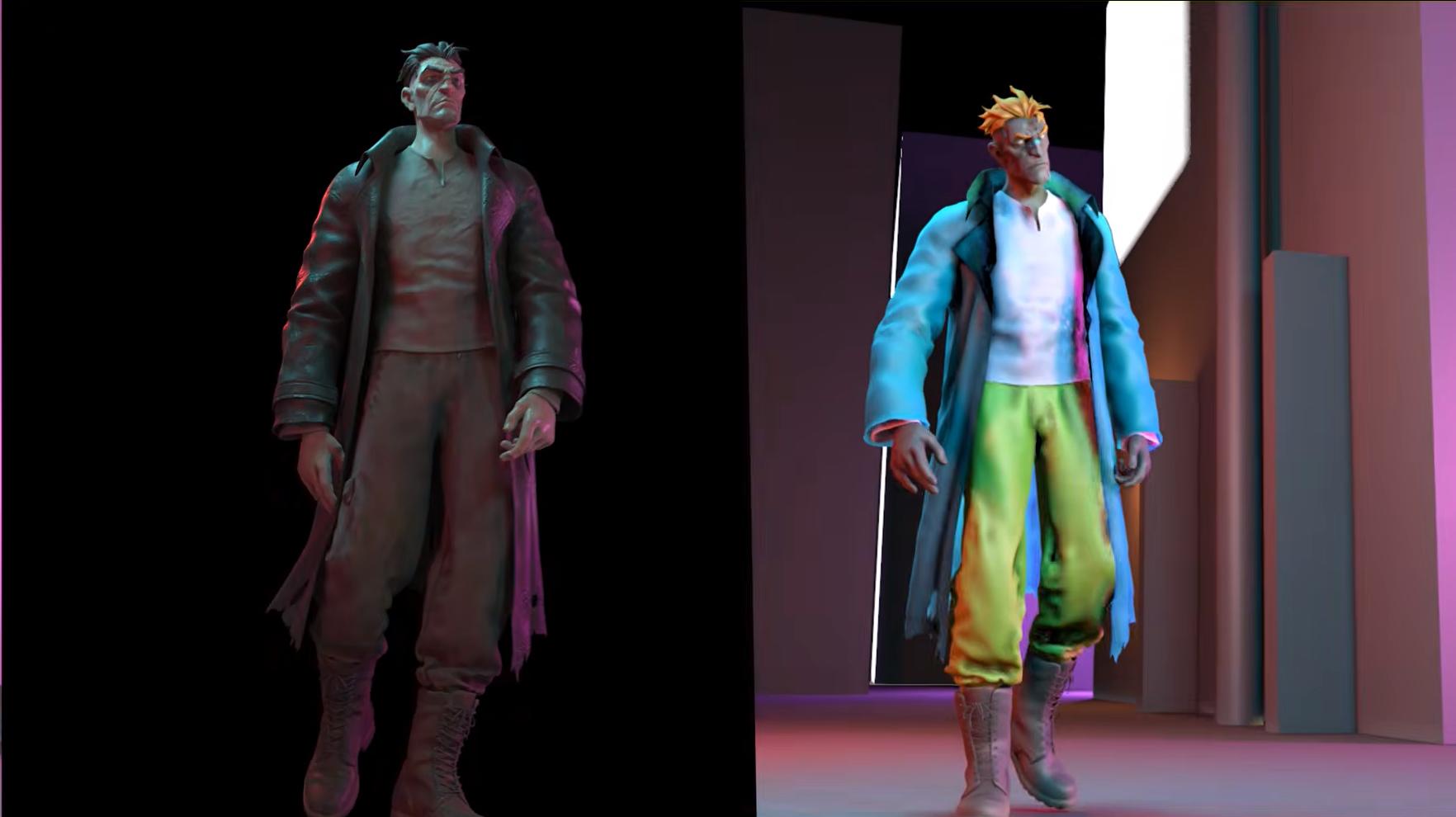
TenPix Cloth is a newly released GPU-accelerated cloth simulation plugin for 3ds Max, bringing faster and more flexible fabric dynamics to one of the industry's longest-standing 3D applications. The system works through a modifier-based approach, meaning artists can layer cloth behavior non-destructively onto their objects in a way that fits naturally into standard 3ds Max workflows. GPU acceleration is the headline technical feature, promising simulation speeds that CPU-based cloth solvers struggle to match, which is especially meaningful for production environments where iteration time is critical. The release adds a competitive new option for Max users who work on character clothing, soft bodies, or any project requiring convincing fabric behavior.

How To Create Vibrant Comic-Style Shader In Blender
80.lv · 80.lv ↗
XippoArt has released a tutorial video walking Blender artists through the process of creating a vibrant, comic-book-inspired shader — the kind of stylized look that sits at the intersection of 3D rendering and traditional illustration. Comic-style shading in 3D typically involves techniques like cel shading, ink outlines, and halftone patterns, and getting them to feel hand-drawn rather than sterile is a craft in itself. The tutorial is aimed at artists interested in stylized rather than photorealistic rendering, a growing area of interest as games, animation, and motion graphics increasingly embrace illustrated aesthetics. For anyone building a non-realistic rendering pipeline in Blender, this kind of shader breakdown offers both a ready-made solution and insight into the underlying node logic.

Etsy
@CreativeBloq · creativebloq.com ↗
Etsy, the marketplace built around handmade and independent design, has found itself in the unusual position of needing an explicit policy against fake product photography — a sign of how thoroughly AI-generated imagery has complicated the idea of authentic craft. The platform's identity has always rested on the promise of real makers selling real things, making misleading visuals a particularly pointed problem compared to a generic e-commerce site. The rule's very existence suggests the practice of listing AI-generated mockups in place of genuine product photos had become common enough to require formal prohibition. It's a small but telling moment in the broader tension between AI image tools and communities whose value proposition depends on human authenticity.