The Arden Digest — Oct 22, 2026
A curated digest.
Animatica Marionette offers directable character animation inside Blender
CGPress · cgpress.org ↗
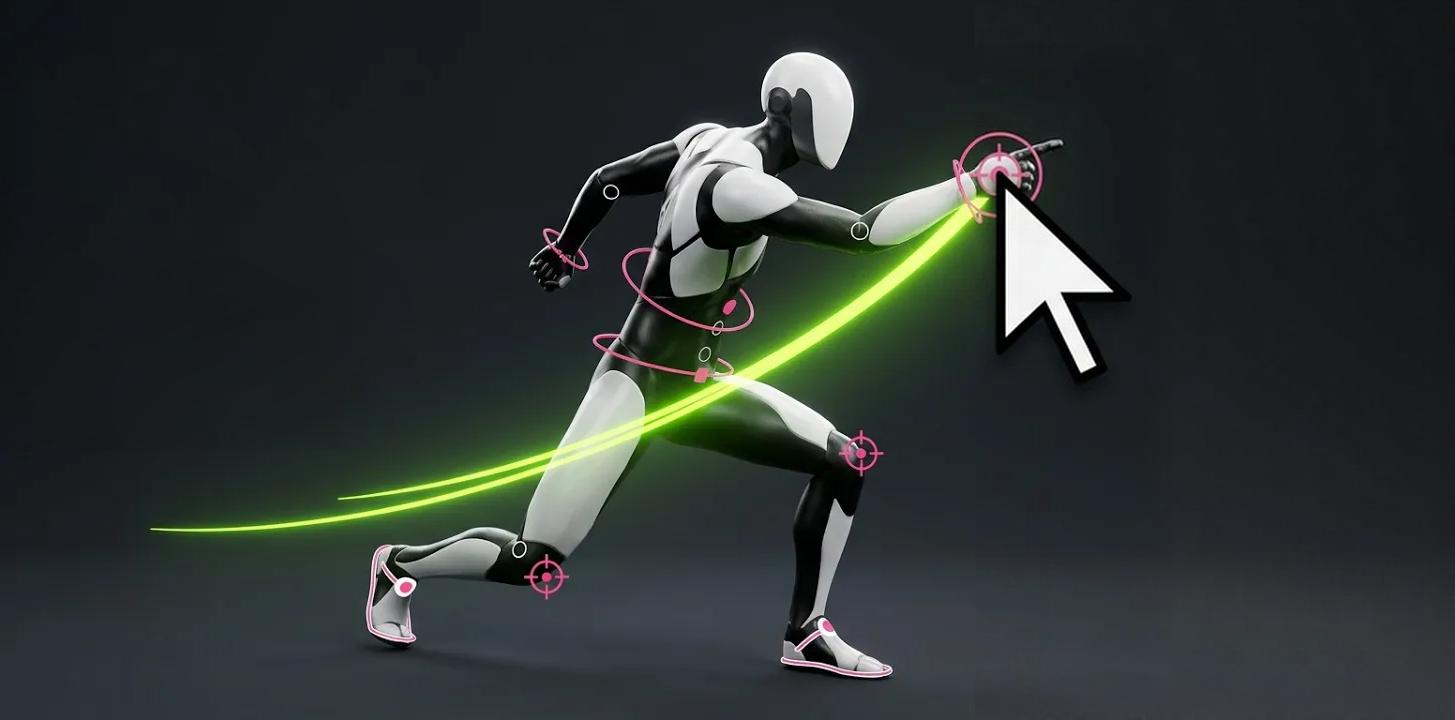
Animatica Marionette is a Blender add-on designed to put creative control firmly back in the hands of animators, allowing them to pose and edit character motion directly rather than relying on automated or procedurally driven systems. The tool is built around a "directable" philosophy, meaning artists can sculpt performances gesture by gesture, much like a puppeteer guiding a marionette. This approach appeals to animators who want expressive, handcrafted results rather than motion-capture data or simulation outputs. By integrating natively into Blender's existing workflow, Marionette aims to lower the barrier to high-quality character animation without requiring external software. It represents a growing trend of boutique add-ons that extend Blender's already formidable animation toolkit in targeted, artist-friendly ways.

3D Painter 12.2 Tackles Some of 3D Texturing’s Most Tedious Problems
80.lv · 80.lv ↗
Adobe's Substance 3D Painter 12.2 arrives with a suite of updates aimed squarely at eliminating some of the most frustrating bottlenecks in professional texturing workflows. Cage painting — a long-requested feature — allows artists to project textures more accurately onto complex geometry by using a surrounding cage mesh as a guide, reducing unwanted projection artifacts. The updated Polygon Fill tool brings smarter selection logic, making it faster to isolate and paint discrete surface regions. Texture-set highlighting gives artists clearer visual feedback when working across multiple material sets in a single scene. Rounding out the release, improved real-time rendering for overlapping transparent materials means glass, foliage, and layered fabric now display more accurately in the viewport, helping artists make better decisions before final export.

Sticking Hand Drawn Ink Lines to 3D Animation with Blender Grease Pencil and Geometry Nodes
BlenderNation · blendernation.com ↗
Artist and developer Derek Flood shares a detailed breakdown of how to achieve Spider-Verse-style hand-drawn ink lines in Blender by combining Grease Pencil with Geometry Nodes. Sony's original pipeline for the Oscar-winning films relied on proprietary tools to let animators draw linework directly onto 3D animation, creating the illusion that every frame was individually illustrated. Flood's technique replicates this aesthetic in an open-source environment, using Grease Pencil strokes that stick and deform with the underlying 3D geometry as it moves. Geometry Nodes provide the procedural backbone, allowing the linework to respond dynamically to animation rather than needing to be redrawn by hand. The result is a workflow that brings one of modern animation's most distinctive visual styles within reach of independent artists and small studios working in Blender.
Lazy Realism FX for Blender
CGPress · cgpress.org ↗
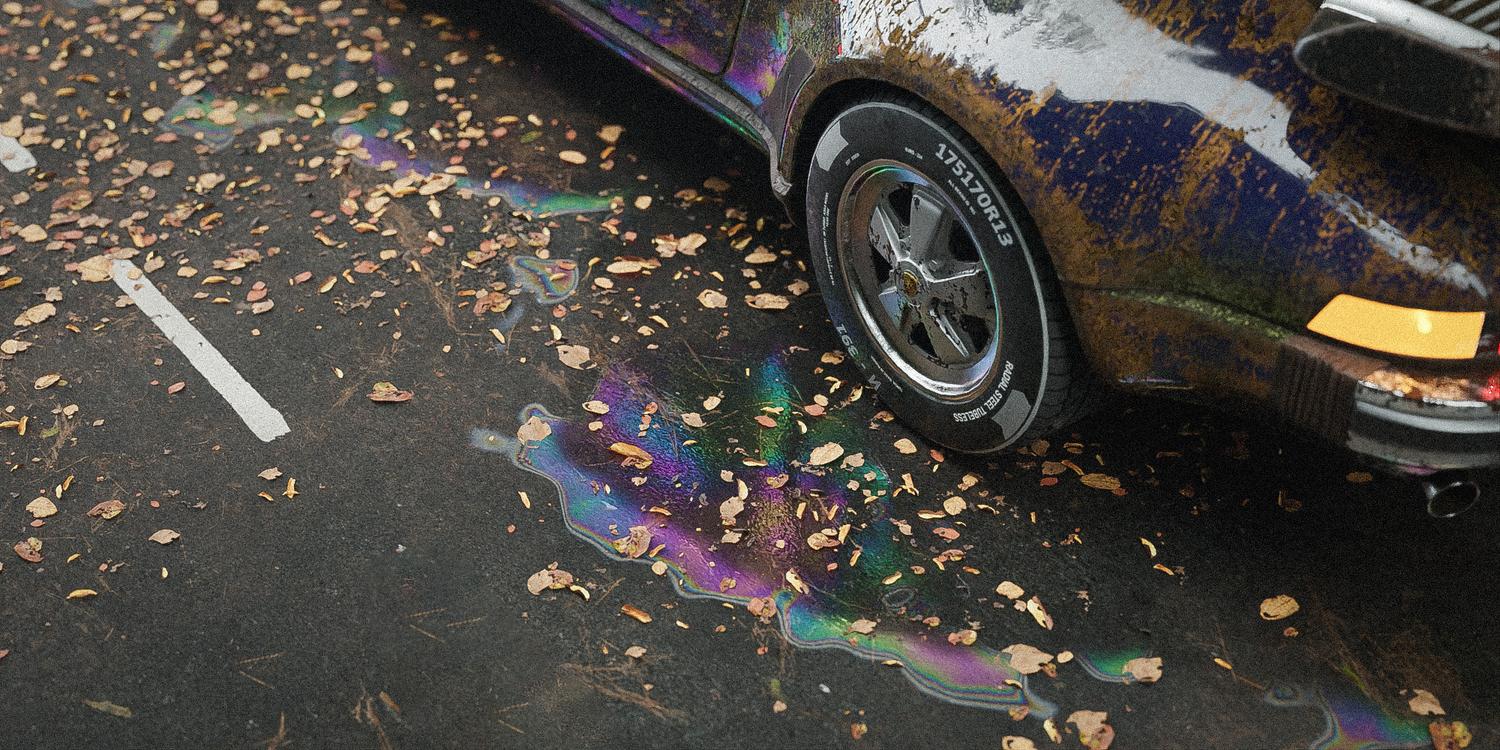
Lazy Realism FX is a Blender add-on built for artists who want to elevate the believability of their renders without spending hours hand-crafting every detail. At its core is a library of more than 50 procedural generators, each targeting a specific real-world surface phenomenon — think dust accumulation, micro-scratches, fingerprints, or subtle weathering effects. Because the generators are procedural, they remain fully non-destructive and endlessly adjustable, letting artists dial in exactly the right level of wear or imperfection. The add-on targets a common pain point in 3D art: scenes that are technically well-modeled but feel sterile or artificial due to a lack of small-scale surface complexity. For Blender users looking for a fast path to more convincing materials and environments, Lazy Realism FX offers a practical shortcut grounded in solid shader design.

How to Make 3D Look Like a Stylized Painting with Houdini & C4D
80.lv · 80.lv ↗
YMA Painterly is a shader pack developed by Theo Daley that brings a rich, hand-painted aesthetic to 3D renders in both Cinema 4D and Houdini, offering 12 distinct shaders that transform standard geometry into something resembling oil or acrylic painting. Daley has shared an in-depth look at his workflow, walking through how he constructed several of his showcase scenes and explaining the thinking behind each shader's design. The collection targets artists and motion designers who want to move away from photorealism toward a more expressive, gallery-ready visual style without rebuilding their pipeline from scratch. By spanning two major DCC applications, YMA Painterly broadens its appeal across different professional communities. The project reflects a wider appetite in the 3D industry for non-photorealistic rendering tools that can produce distinctive, authorial imagery at production speed.

Discover Some of Blender’s Most Underrated Modeling Tools!
BlenderNation · blendernation.com ↗
Blender is a remarkably deep application, and even experienced users regularly discover modeling tools that have been quietly sitting in the software all along. This feature shines a light on some of the most underrated and overlooked options in Blender's modeling toolkit — features that don't always surface in beginner tutorials but can dramatically speed up everyday tasks. Whether it's specialized loop selection methods, lesser-known mesh cleanup operators, or context-sensitive shortcuts that eliminate repetitive steps, these tools reward the time spent exploring them. For artists who feel they've plateaued in their Blender modeling workflow, digging into the software's less-publicized corners is often the fastest way to find new efficiency. The piece serves as a useful reminder that in Blender, the most powerful feature is sometimes the one you haven't clicked yet.
In 'Aeolus,' DRIFT Suspends Illuminated Glass Rods in a Sculpture of the Wind
Kate Mothes · thisiscolossal.com ↗
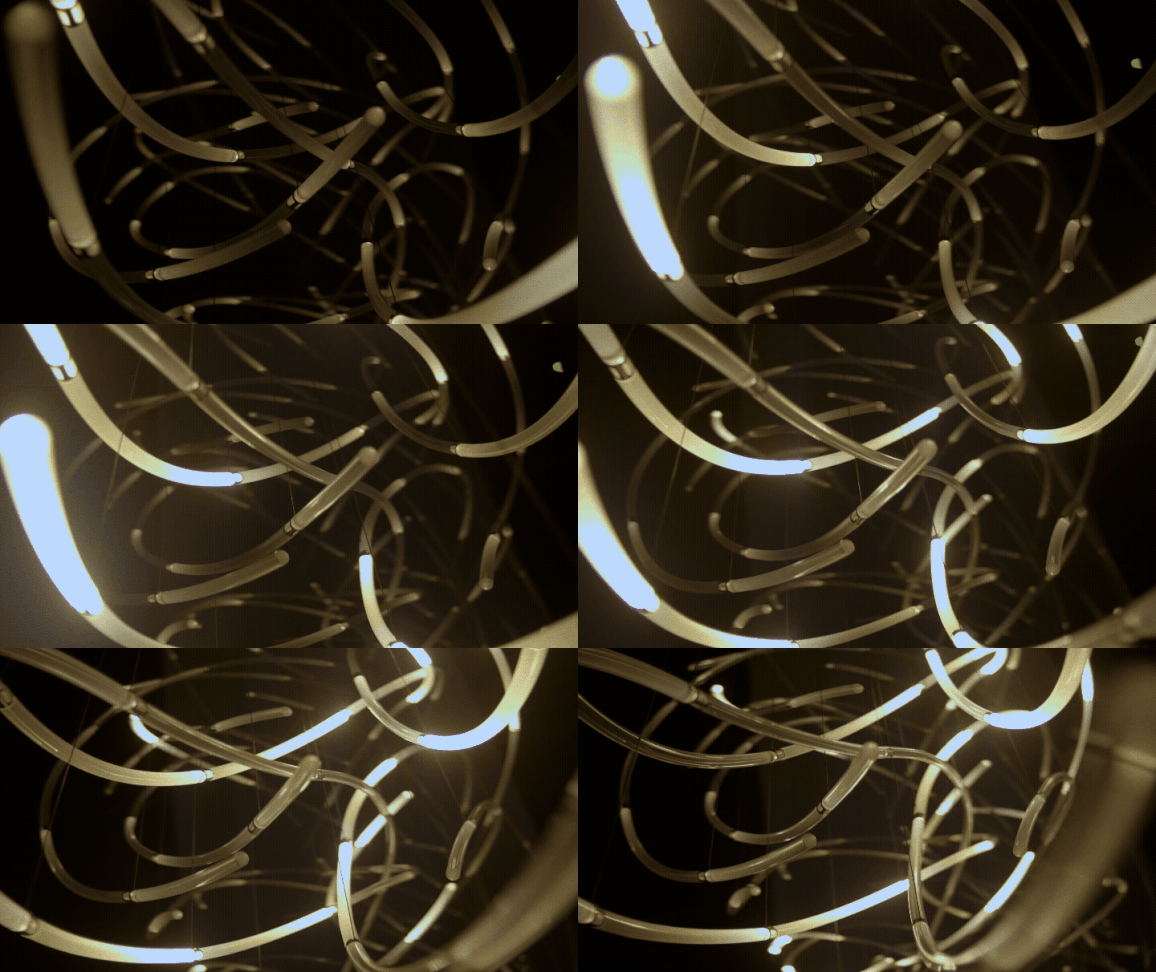
Dutch art collective DRIFT has created "Aeolus," a suspended sculpture that translates the invisible force of wind into a luminous, kinetic installation made from illuminated glass rods. Founded by Lonneke Gordijn and Ralph Nauta, DRIFT has long been drawn to natural phenomena as artistic raw material, and Aeolus extends that sensibility into a work that is literally incomplete without a viewer's presence — or the movement of air around it. The piece shifts and responds to its environment, making each encounter with it subtly different from the last. "Like wind itself," the founders explain, "the work only fully exists through interaction," positioning the sculpture less as a static object and more as an ongoing event. Aeolus is characteristic of DRIFT's broader practice, which consistently blurs the boundary between nature, technology, and human experience.
leather octopuses and mohair whales by cosima von bonin take over paris' petit palais
kat barandy I designboom · designboom.com ↗
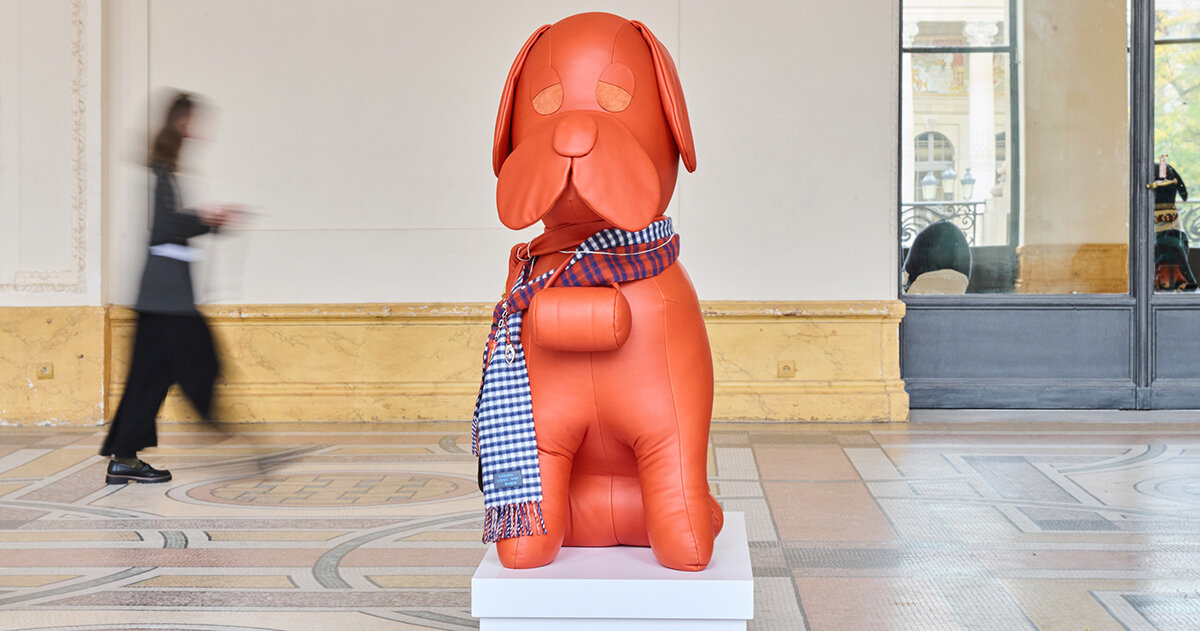
French artist Cosima von Bonin has staged a characteristically irreverent intervention at Paris's Petit Palais during Art Basel 2026, filling the museum's grand historic galleries with oversized padded animal sculptures — leather octopuses and mohair whales among them. The soft, almost cartoonish creatures are placed in deliberate contrast with the Petit Palais's classical architecture and its permanent collection of solemn figurative works, creating an absurdist dialogue between contemporary playfulness and institutional gravitas. Von Bonin, who is known for her use of soft sculpture and pop-cultural references to probe questions of labor, authorship, and desire, brings her signature deadpan humor to one of Paris's most formal settings. The juxtaposition of plush sea creatures amid marble and gilt invites viewers to reconsider both the animals and the classical figures they interrupt. It's a characteristically Von Bonin move: disarming in form, pointed in concept.
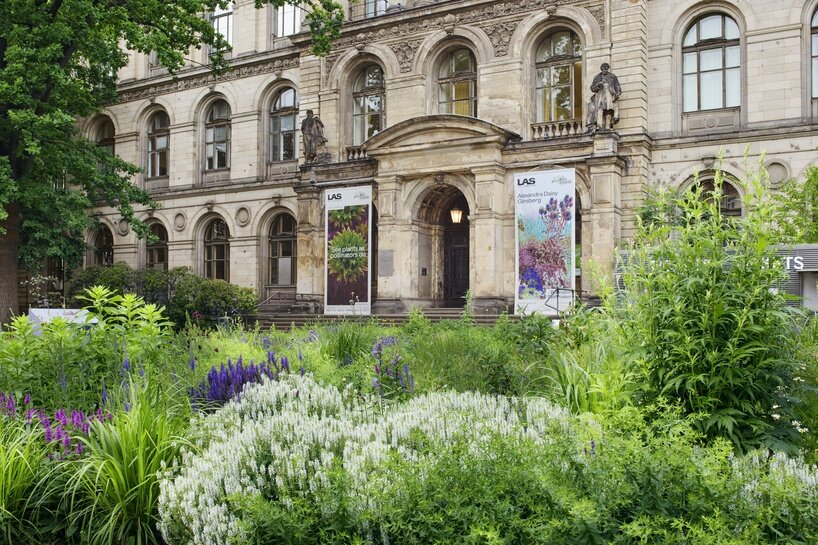
pollinator pathmaker brings buzzing bees back to berlin with foliage-filled artworks
annalise kamegawa I designboom · designboom.com ↗
Pollinator Pathmaker, a project by artist Alexandra Daisy Ginsberg, has established a new algorithmically designed garden in Berlin, commissioned by the LAS Art Foundation, that merges artistic practice with ecological urgency. The installation uses computational design to select and arrange plant species specifically chosen to support bees and other pollinators, creating a living artwork whose aesthetic is determined by the needs of non-human visitors rather than human taste. Berlin, like many European cities, has seen significant declines in pollinator populations, making the project both a cultural statement and a tangible environmental intervention. The work extends Ginsberg's ongoing investigation into the relationship between technology, nature, and design, asking what it means to make art for species other than our own. By rooting computation in biodiversity rather than pure aesthetics, Pollinator Pathmaker proposes a new model for public art that is as functional as it is thought-provoking.