The Arden Digest — Oct 1, 2026
A curated digest.
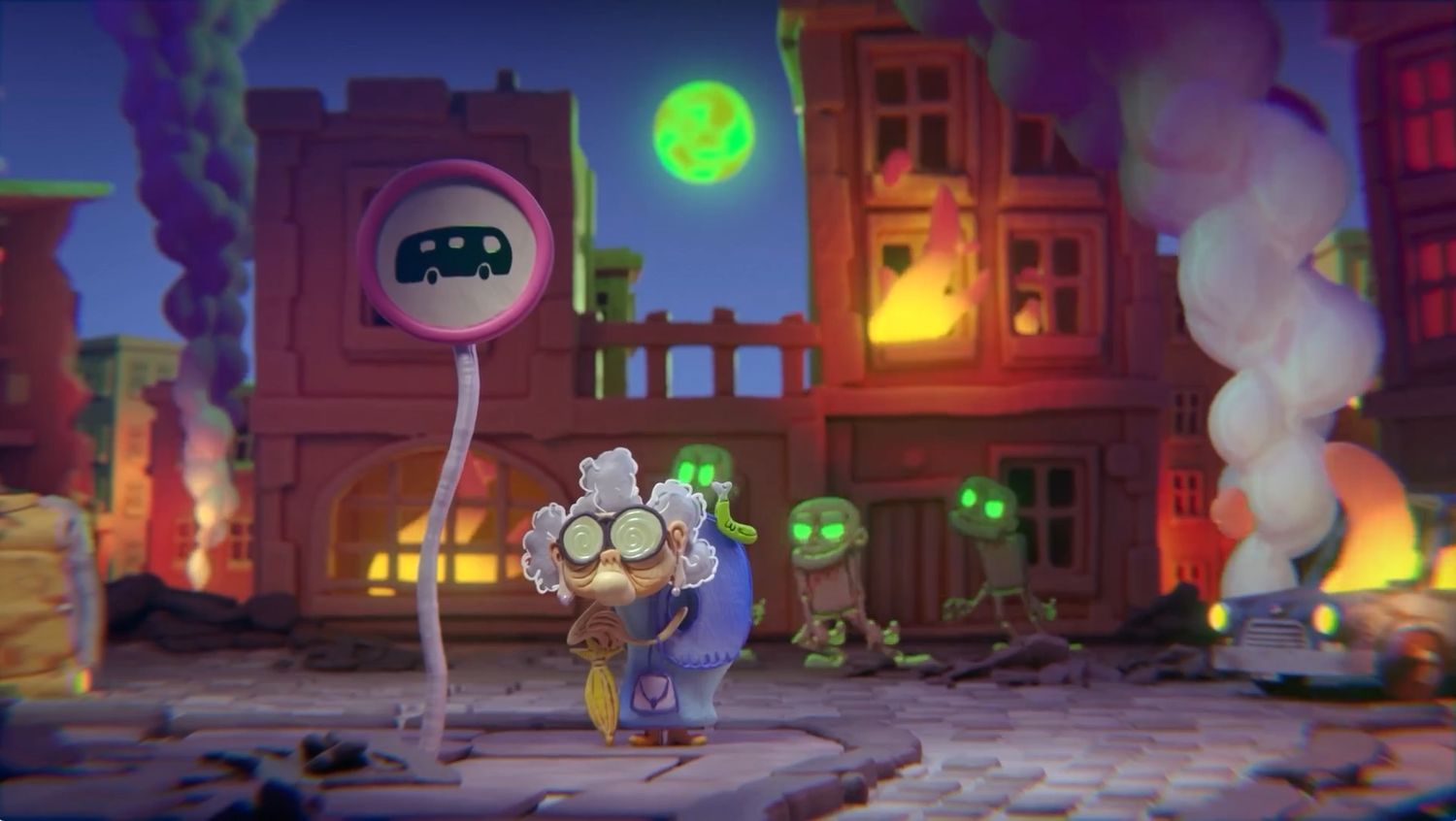
Grandma Z and Martínez Lara’s Clay Pencil presentation
CGPress · cgpress.org ↗
Spanish CG artist and Grease Pencil pioneer Daniel Martínez Lara has released a new presentation video showcasing the capabilities of Blender's Grease Pencil tool, featuring his beloved character Grandma Z. Martínez Lara is widely regarded as one of the most influential advocates for Grease Pencil, having spent years demonstrating how the tool can bridge the gap between traditional 2D animation and 3D computer graphics. The new video serves both as a technical showcase and a creative statement, highlighting how far Grease Pencil has matured as a production-ready animation pipeline. For artists curious about non-photorealistic rendering and hybrid 2D/3D workflows, his work remains an essential reference point in the Blender community.
You can now use ChatGPT and Claude to speed up 3D art in Cinema 4D
Creative Bloq · creativebloq.com ↗
Maxon has integrated AI assistant support into Cinema 4D, allowing artists to use ChatGPT and Claude directly within their 3D workflow to accelerate tasks and problem-solving. The move reflects a broader industry push to embed large language models into creative software, giving artists a way to query techniques, generate expressions, troubleshoot setups, or automate repetitive processes without leaving the application. Both ChatGPT and Claude bring distinct strengths — OpenAI's model is widely used for broad technical queries while Anthropic's Claude is often praised for nuanced, context-aware reasoning. For Cinema 4D's professional user base, which spans motion graphics, VFX, and product visualization, the integration could meaningfully reduce friction in complex production pipelines.
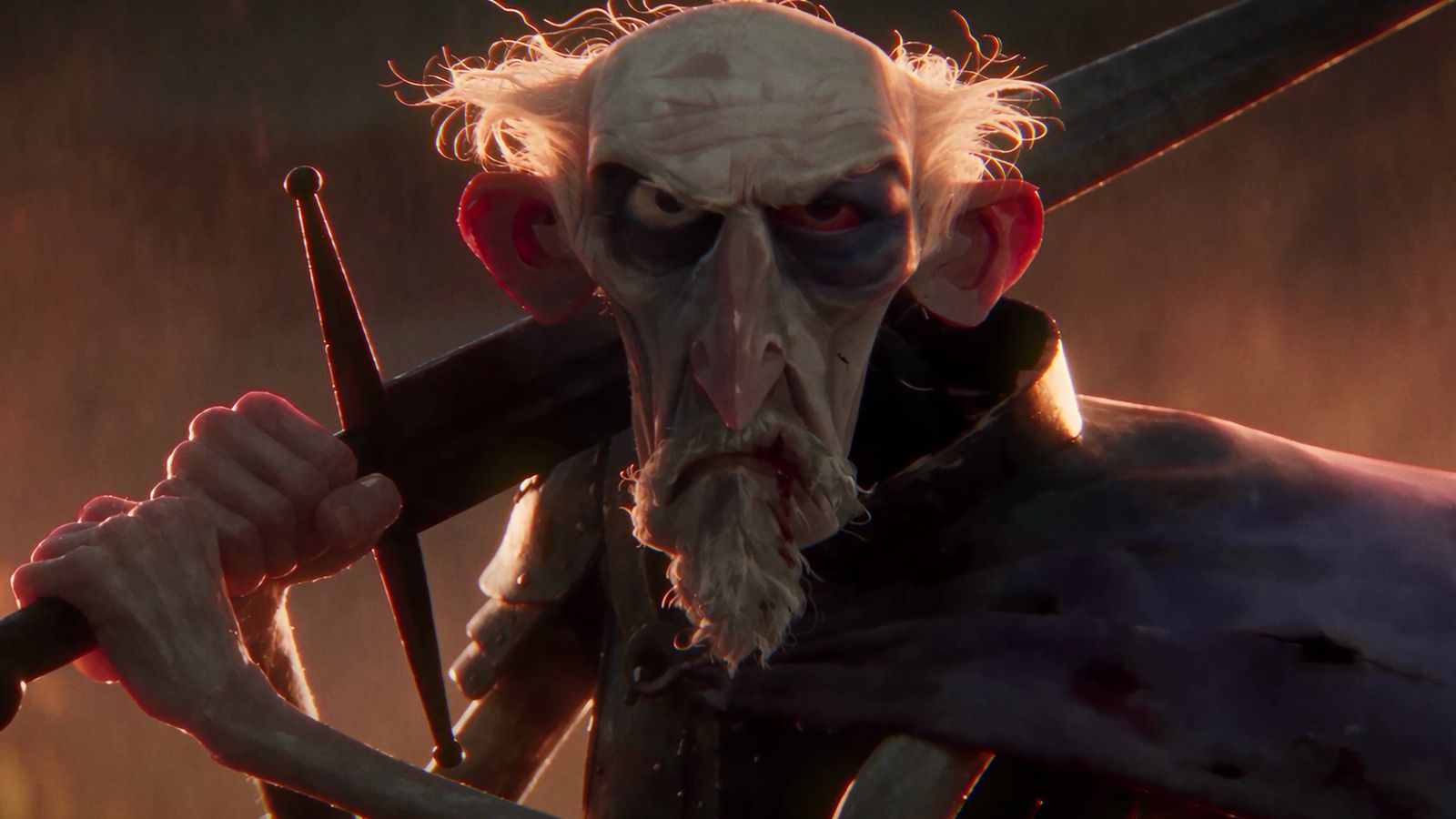
Making an 11-minute animated short using AI exposed serious creative limits
Creative Bloq · creativebloq.com ↗
Filmmakers Guillermo Miranda and Javier de la Chica have shared candid reflections on their experience producing an 11-minute animated short almost entirely with AI tools — and the creative walls they ran into along the way. While AI proved capable of generating striking imagery and accelerating certain production stages, the duo found it consistently struggled with narrative coherence, character consistency across shots, and the kind of deliberate artistic decision-making that defines strong storytelling. Their account offers a valuable counterpoint to the hype surrounding AI-generated film, grounding the conversation in the practical realities of what current tools can and cannot sustain over a longer-form project. The short stands as both a proof of concept and a cautionary tale, suggesting that AI is better understood as a production aid than a creative collaborator — at least for now.
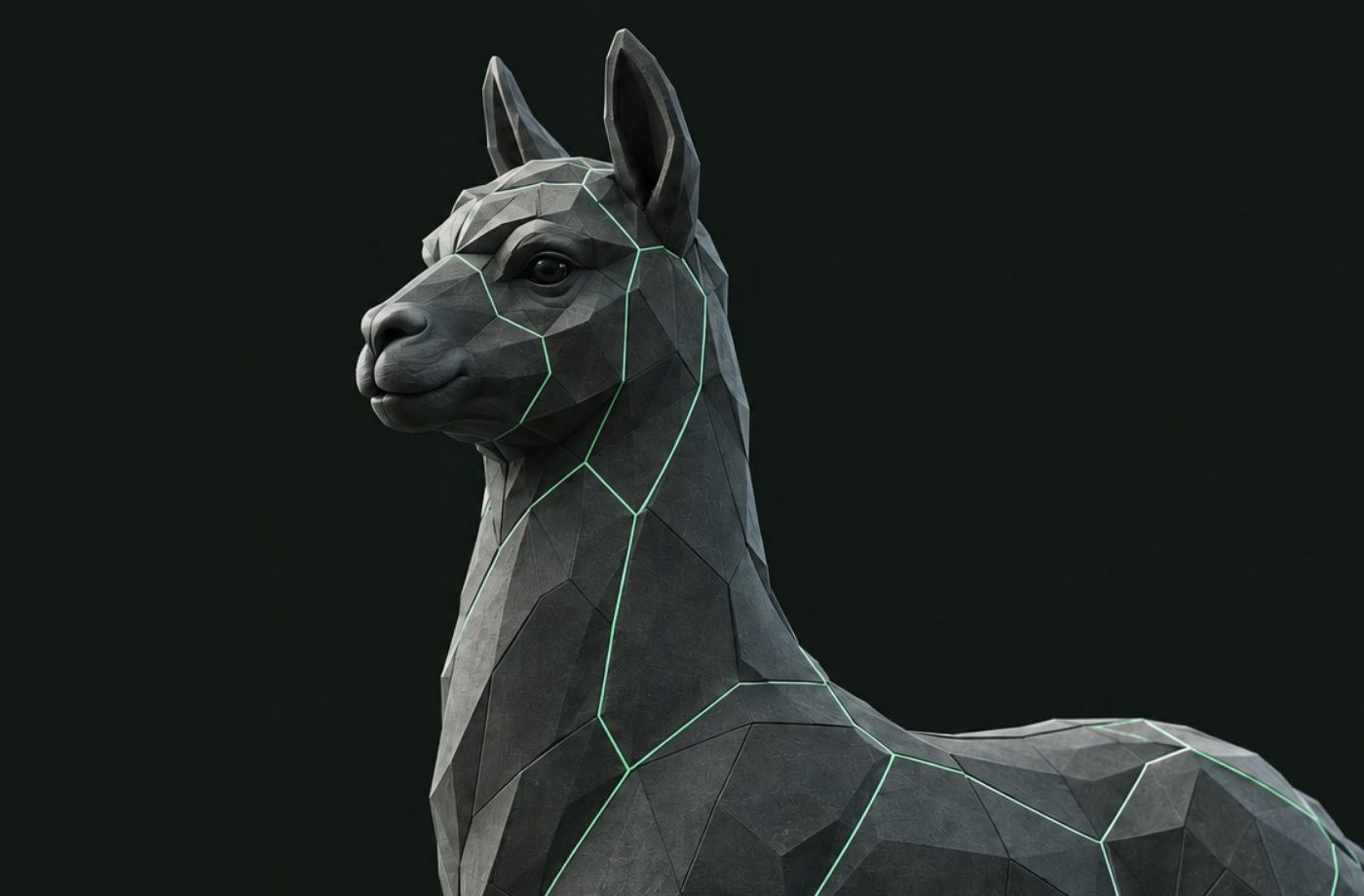
Alpaca3D free retopology, UV editing and baking tool
CGPress · cgpress.org ↗
Alpaca3D is a free, all-in-one application that combines retopology, UV editing, and texture baking into a single unified workspace, aiming to simplify one of the more technically demanding stages of the 3D art pipeline. The tool includes bridges for Blender and potentially other major DCC applications, allowing artists to move assets in and out without cumbersome manual export routines. Retopology — the process of rebuilding high-polygon sculpts into clean, animation-ready meshes — has historically required either expensive dedicated software or time-consuming manual work inside general-purpose tools. By bundling all three functions at no cost, Alpaca3D positions itself as an accessible entry point for indie artists, students, and small studios who need a streamlined workflow without the overhead of premium software licenses.

Sculpting Bas-Reliefs on a Stone Wall in a Forest Environment
80.lv · 80.lv ↗
3D artist Ilya Oskanyan has published a detailed breakdown of his process creating the Heart of the Forest environment, with a particular focus on the sculpting of realistic bas-relief carvings on a stone wall set within a dense forest scene. Oskanyan discusses how careful asset planning helped him save significant production time, and dives into the often painstaking but ultimately satisfying craft of sculpting intricate raised-relief details that read convincingly as weathered stone. One of the more technically nuanced points he raises is the importance of choosing the right focal length when composing the final render — a decision that proved critical to making the scene feel grand and monumental while still preserving fine surface detail. The breakdown offers practical insight for environment artists working on historical, fantasy, or natural settings where storytelling through surface texture plays a central role.
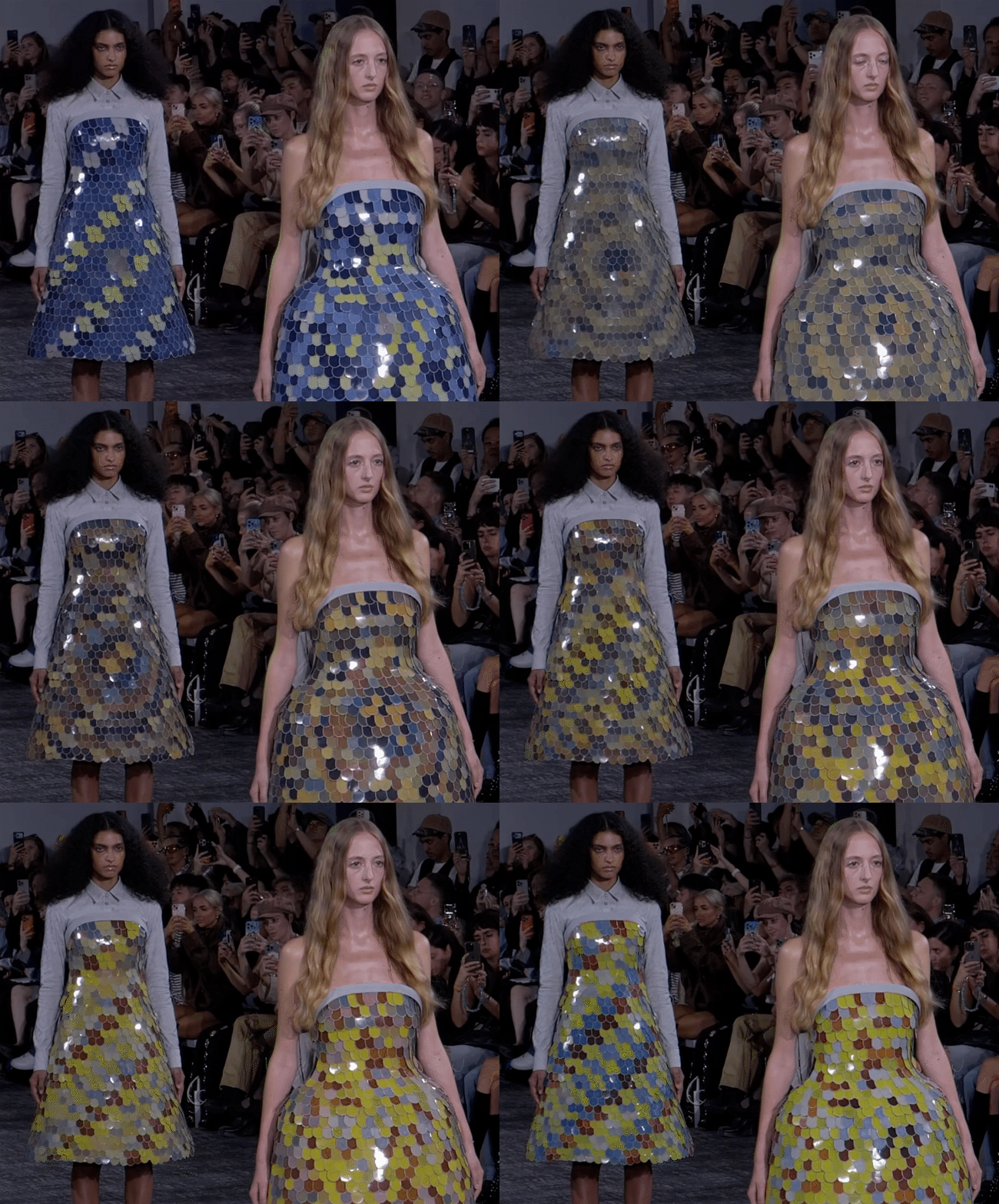
anrealage wraps dresses in up to 2,000 e-ink panels for color-changing ‘skin’
Iñaki Laguardia · designboom.com ↗
Japanese fashion label Anrealage has unveiled its SS27 Skin collection, a radical exploration of clothing as a living, responsive surface through the integration of up to 2,000 e-ink panels into individual garments. Each panel functions like a pixel in a wearable display, allowing the color and pattern of a dress to shift and change dynamically — a concept the brand frames as giving clothing a kind of skin. The collection also incorporates 3D-printed scale-like structures and Kyocera's Forearth printing technology, lending the garments an otherworldly, almost biological texture that reinforces the skin metaphor. It represents one of the most technically ambitious intersections of fashion and electronics in recent memory, raising compelling questions about the future of wearable technology as genuine artistic and expressive medium.

Shape Keys for Blender's Grease Pencil Tested on a Character Rig
80.lv · 80.lv ↗
Animator Mumu Mundo has put Blender's Shape Keys feature through its paces within a Grease Pencil character rig, sharing findings on how the tool performs for 2D animation workflows. Shape Keys, long a staple of 3D mesh deformation in Blender, allow artists to define and blend between different states of a form — in the context of Grease Pencil, this opens up possibilities for facial expressions, lip sync, and other deformation-based animation techniques without relying solely on armatures or manual frame-by-frame redrawing. Mundo's test provides a practical look at both the strengths and current limitations of the feature within a 2D pipeline, which is useful information for animators considering Grease Pencil as a production tool. As Blender continues to develop Grease Pencil into a more robust 2D animation system, community tests like this help map the edges of what's possible.