The Arden Digest — Sep 10, 2026
A curated digest.
ArmorPaint 1.0 open source 3D painting software is out
CGPress · cgpress.org ↗
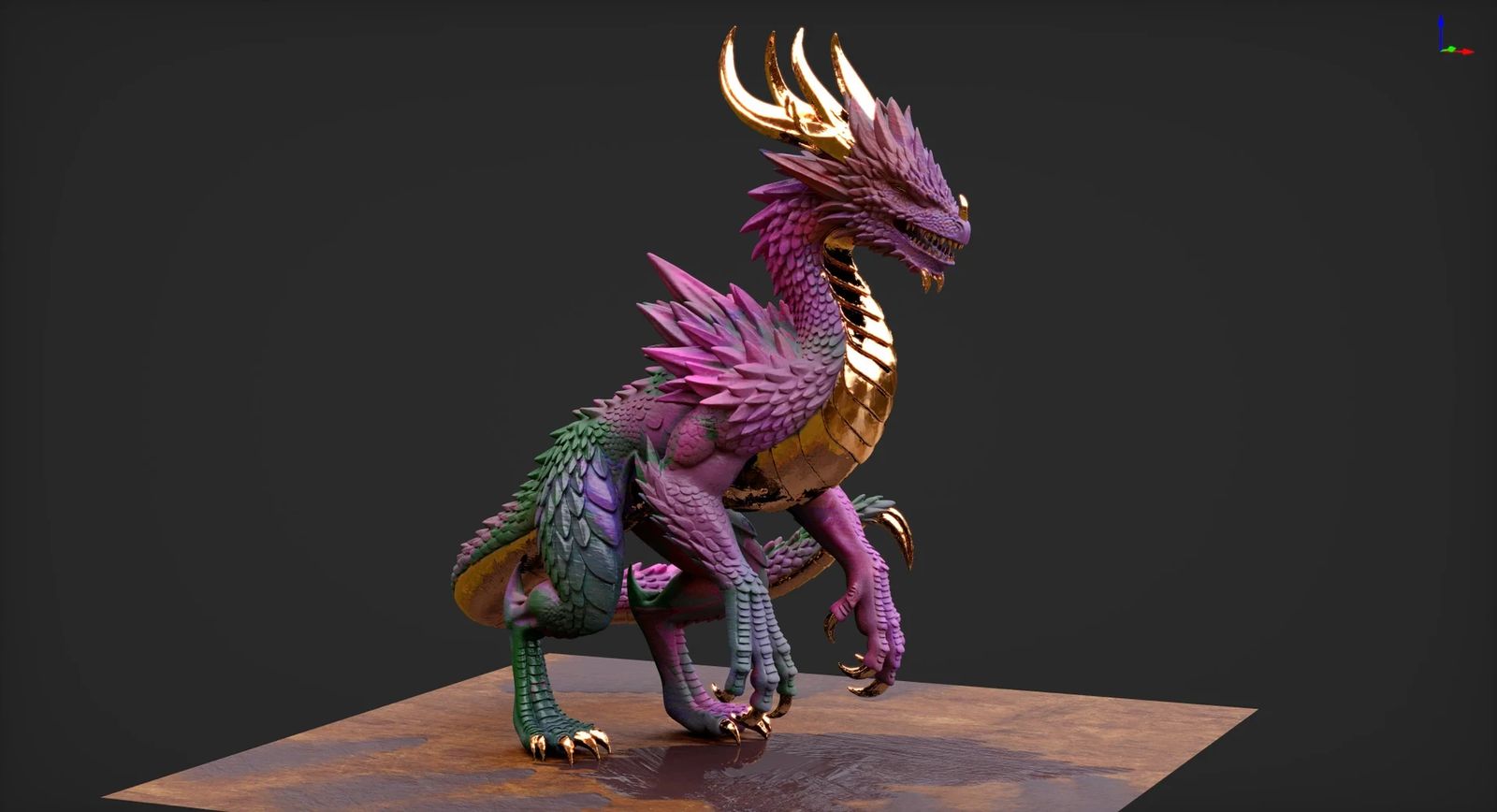
ArmorPaint 1.0 marks a significant milestone for the open-source 3D PBR texture painting software developed under the Armory ecosystem. The 1.0 release signals a mature, stable foundation for artists seeking a free alternative to commercial texture painting tools like Substance Painter. Key improvements in this version focus on memory and speed optimizations, making the software more responsive and capable of handling complex, high-resolution assets. As a fully open-source project, ArmorPaint benefits from community contributions and is available to download, modify, and redistribute, lowering the barrier of entry for independent artists and small studios alike.

ChatGPT Sketch turns your bad drawings into detailed AI images
Jay Peters · theverge.com ↗
OpenAI has added a Sketch feature to ChatGPT that allows users to transform rough, hand-drawn scribbles into fully realized AI-generated images. The tool is designed to be accessible to non-artists, removing the need for precise drawing skills and instead letting the AI interpret the intent behind a loose doodle. Users can prompt the system with a sketch as a visual anchor, giving the model a compositional starting point that text prompts alone cannot easily convey. The feature represents a natural evolution of multimodal AI interfaces, blending visual and textual input to make image generation more intuitive and expressive.

ChatGPT Images 2.5: Faster, more precise, but not the same for everyone
Maximilian Schreiner · the-decoder.com ↗
OpenAI is expanding its image generation capabilities with ChatGPT Images 2.5, introducing two distinct models tailored to different use cases. Flare is optimized for speed, enabling faster image generation for users who prioritize quick turnaround, while Sunburst is built for precision, offering more accurate and controlled edits for detail-oriented work. However, OpenAI has not yet clearly communicated which model individual ChatGPT users will have access to or on what timeline, leaving some uncertainty around availability. Early testing suggests the improvements are meaningful but unevenly distributed across the user base, with the benefits varying depending on which model a given user is actually served.
DaVinci Resolve 21.1 adds AI assistant integration, over 100 improvements to editing and grading
CGPress · cgpress.org ↗
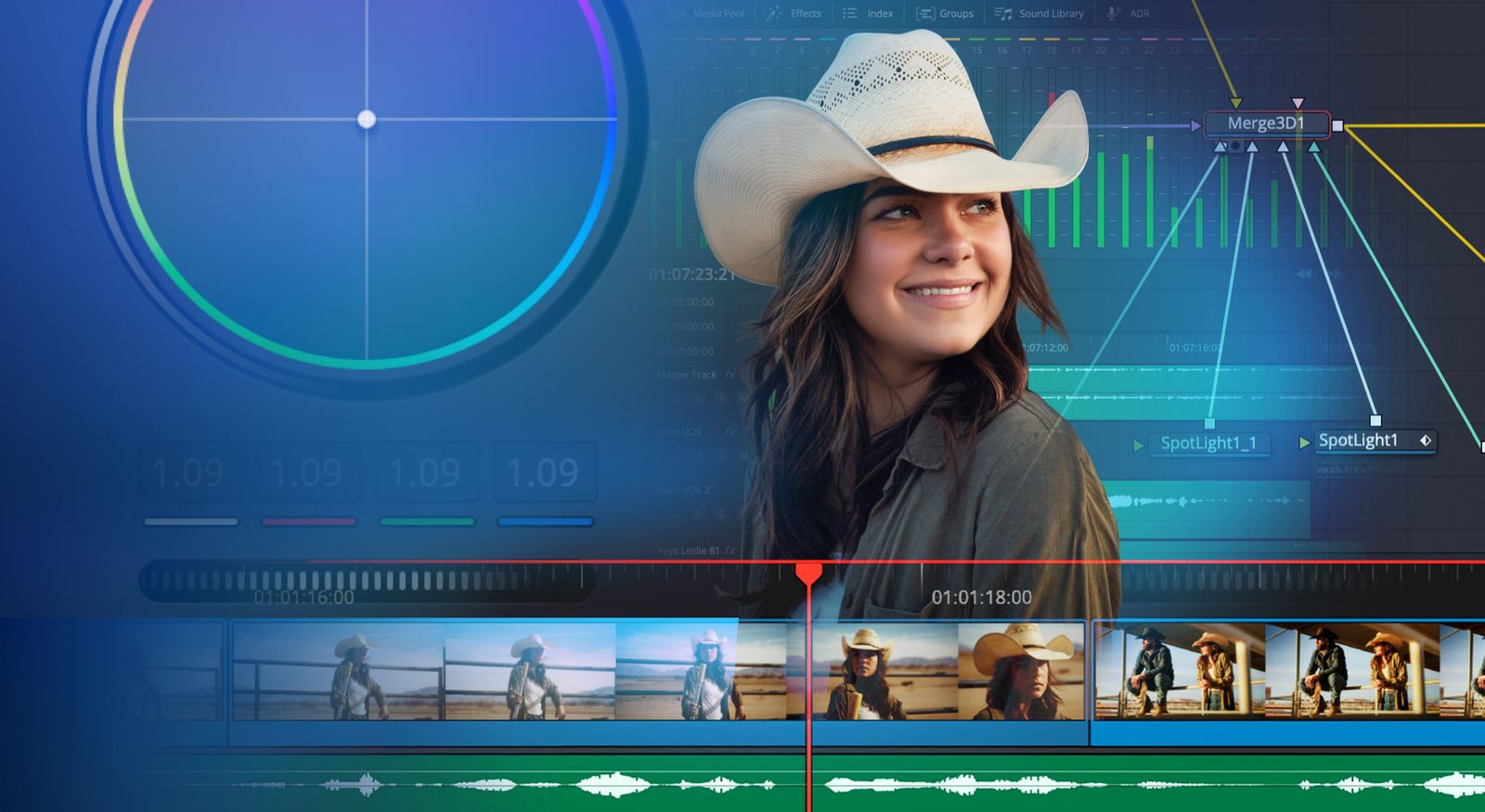
Blackmagic Design has released DaVinci Resolve 21.1, a substantial update to its all-in-one post-production application covering editing, color grading, VFX, motion graphics, and audio. The headline addition is AI assistant integration, giving users access to intelligent, conversational help directly within the application to streamline complex workflows. Beyond the AI feature, the update includes over 100 individual improvements spanning the editing and grading toolsets, reflecting Blackmagic's ongoing commitment to iterative refinement across the platform. DaVinci Resolve continues to stand out in the industry by offering a professional-grade, free-to-use version alongside its paid Studio edition, making updates like this widely accessible.

Mastering Wrinkly Skin Texture by Making a Medieval Dwarf in 3D
80.lv · 80.lv ↗
3D artist Nikita Popp has shared an in-depth breakdown of his Dwarf project, a detailed character study focused on the challenges of rendering aged and wrinkled skin in 3D. The piece explores how the unique texture demands of elderly or fantasy skin differ from standard character work, requiring careful attention to micro-surface detail, subsurface scattering, and the interplay of deep folds with light. Popp also discusses his use of the Paragon material system for crafting convincing hair and feathers, highlighting how repurposing existing material frameworks can accelerate the development of complex organic surfaces. The project serves as both a technical tutorial and an artistic case study for character artists looking to push the realism of non-human or aged character designs.

Prism Suite Beta brings a magnifying interface layer to Blender <span class="title-badge title-badge--paid" title="Paid"><svg xmlns="http://www.w3.org/2000/svg" viewBox="0 0 24 24" fill="currentColor" width="17" height="17" aria-hidden="true"><path d="M11 2a9 9 0 1 0 0 18A9 9 0 0 0 11 2zm1 14.93V18h-2v-1.07A4 4 0 0 1 7 13h2a2 2 0 0 0 2 2h1a1 1 0 0 0 0-2h-1a4 4 0 0 1 0-8V4h2v1.07A4 4 0 0 1 15 9h-2a2 2 0 0 0-2-2h-1a1 1 0 0 0 0 2h1a4 4 0 0 1 1 7.93z"/></svg></span>
BlenderNation · blendernation.com ↗
Prism Suite is a paid Early Access add-on that overlays a redesigned interface layer on top of Blender, aiming to make the software's native tools more accessible and ergonomically organized without replacing any of Blender's underlying functionality. Rather than altering modeling, animation, rendering, or file format support, Prism Suite reorganizes how users navigate and reach Blender's existing controls, potentially reducing friction for artists transitioning from other applications. The Early Access model means buyers are investing in an evolving product, with the expectation that features and polish will improve over time based on user feedback. For studios or individual artists who find Blender's default interface a barrier to adoption, Prism Suite offers a commercially supported alternative approach to the workspace experience.

Create Seamless PBR Textures With This Open Source Tool
BlenderNation · blendernation.com ↗
Developer Dorian Zgraggen has released an open-source tool designed to solve one of photogrammetry's most persistent headaches: making scanned textures tile seamlessly. Standard tiling methods often produce visible seams when photogrammetry-derived textures are repeated across a surface, but this tool addresses the problem through displacement-aware blending, which accounts for surface depth information when stitching tile boundaries together. The result is a more natural, artifact-free repeat that holds up under close inspection and across varied lighting conditions. As an open-source release, the tool is freely available for artists and developers to use, adapt, and integrate into their own photogrammetry pipelines.

Behind the Rigging & Animation of Orcs, Dragons & RPG Characters
80.lv · 80.lv ↗
Yeyo Studio has published a detailed technical breakdown of its rigging and animation pipeline for a diverse roster of RPG characters, including orcs, dragons, and heavily equipped humanoids. The studio walks through its approach to skinning, locomotion systems, and combat animation, with particular attention to how wildly different creature anatomies require bespoke solutions for each character type. A key focus of the breakdown is the development of reusable animation sets that can be shared or adapted across characters, improving production efficiency without sacrificing visual quality. The piece also covers engine testing workflows, offering practical insight into how animations are validated and refined in a real-time game engine environment.
NVIDIA
Creative Bloq · creativebloq.com ↗
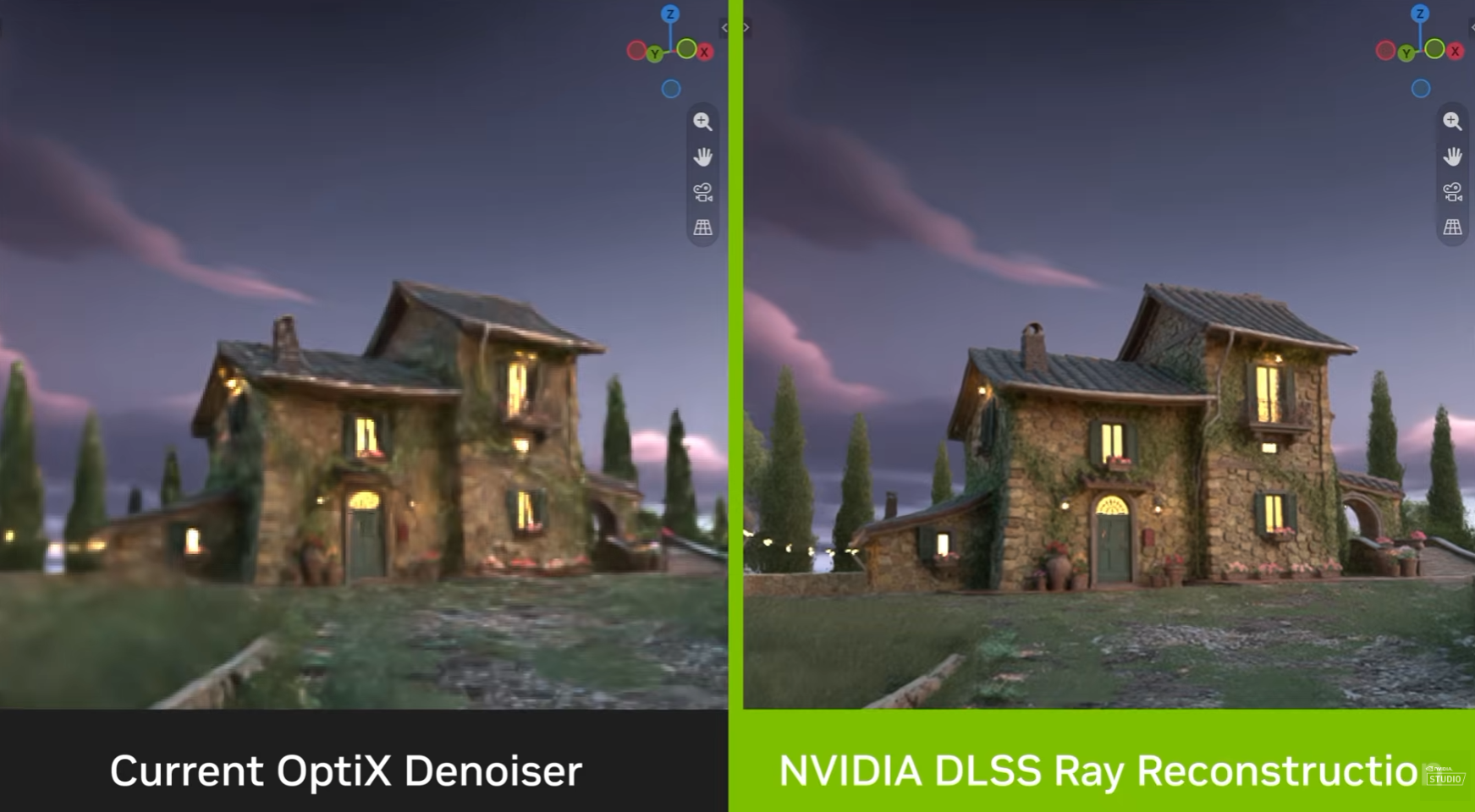
NVIDIA has announced RTX Spark, which brings DLSS 4.5 support into Blender, extending the company's deep learning super sampling technology to one of the most widely used open-source 3D applications. DLSS uses AI-powered upscaling to deliver higher effective render resolution and improved frame rates with lower computational cost, a significant benefit for Blender users working in real-time viewport or interactive rendering contexts. The addition of DLSS 4.5 specifically suggests incremental improvements to image quality and temporal stability over previous versions of the technology. For Blender artists working with NVIDIA RTX hardware, RTX Spark represents a meaningful performance upgrade that could reduce iteration times during look development and scene composition.