
The Arden Digest — Sep 3, 2026
A curated digest.
World Labs unveils Atlas, a single AI model that generates, reconstructs, and simulates 3D worlds from just a few photos
Jonathan Kemper · the-decoder.com ↗
World Labs, the AI startup co-founded by renowned computer vision researcher Fei-Fei Li, has unveiled Atlas, an ambitious unified model capable of generating, reconstructing, and simulating fully interactive 3D environments from just a handful of photographs. Unlike conventional approaches that process visual inputs as flat, sequential data, Atlas anchors everything in 3D space from the ground up — a design choice the company says gives it a decisive edge over specialized, single-task models. The result is a system that can understand and produce coherent spatial scenes with a level of consistency that discrete tools struggle to match. Atlas also has a significant practical application in robotics: it can synthesize realistic robot training environments entirely within simulation, potentially accelerating the development of embodied AI systems without the cost and complexity of real-world data collection. The announcement positions World Labs as a serious contender in the emerging race to build foundational 3D world models.
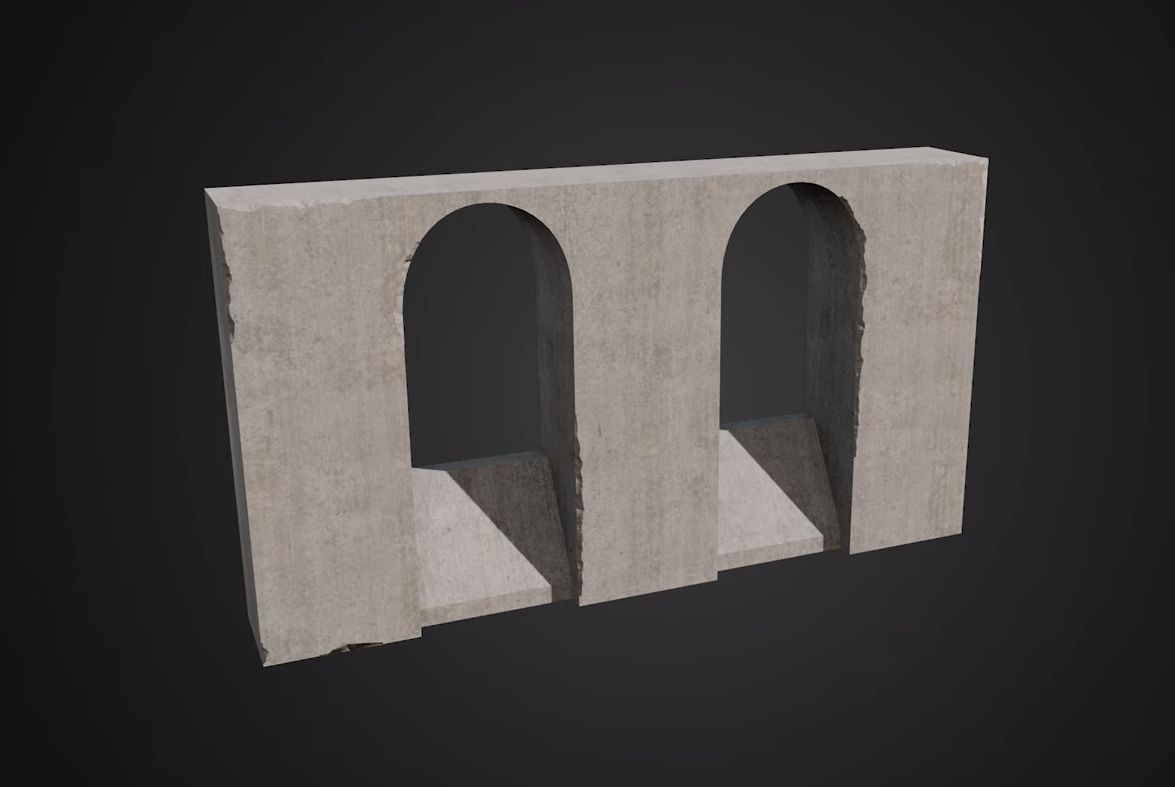
Edge Decal Generator for Blender
CGPress · cgpress.org ↗
Edge Decal Generator is a non-destructive Blender add-on created by developer Gilad Baruch that automates the process of placing decals along the edges of a mesh. For hard-surface modelers and game artists, adding wear, trim, or detail along edge loops is a tedious manual task, and this tool aims to eliminate that friction entirely. By keeping the decals non-destructive, artists can adjust or remove them at any stage of the pipeline without altering the underlying geometry. The add-on fits neatly into Blender's broader ecosystem of surface-detailing workflows, complementing tools like DECALmachine for artists who want fine control over edge storytelling — scratches, paneling, and industrial detail — without committing to permanent mesh changes.

Google's answer to Canva is an AI tool where you prompt instead of design | TechCrunch
Sarah Perez · techcrunch.com ↗
Google has entered the AI-native creative tools arena with Google Pics, a product squarely aimed at the market that Canva and Adobe have long dominated. Rather than handing users a canvas full of templates and drag-and-drop elements, Google Pics takes a prompt-first approach — users describe what they want and the AI handles the visual composition. It's a meaningful philosophical shift away from traditional design software, betting that the future of visual creation is conversational rather than manual. The move makes strategic sense for Google, which can leverage its deep investment in generative image models and its vast distribution network to compete with Canva's 170-million-plus user base. Whether creative professionals and casual users will trust an AI to make design decisions for them remains the central question the product will need to answer.
Max Ultra MCP connects AI agents to 3ds Max
CGPress · cgpress.org ↗
Max Ultra MCP is a scripting tool developed by Vasyl Lukianenko that builds a local bridge between an AI assistant and Autodesk 3ds Max, effectively letting users control the venerable 3D application through natural language or AI-driven commands. The integration follows the growing trend of wrapping traditional DCC (Digital Content Creation) tools with AI interfaces, reducing the friction of deep, menu-heavy software for both beginners and experienced artists automating repetitive tasks. By running locally, the bridge keeps scene data off external servers, which matters for studios with confidentiality requirements. It's a practical example of how the MCP (Model Context Protocol) pattern is spreading beyond web tools and into the 3D production pipeline.
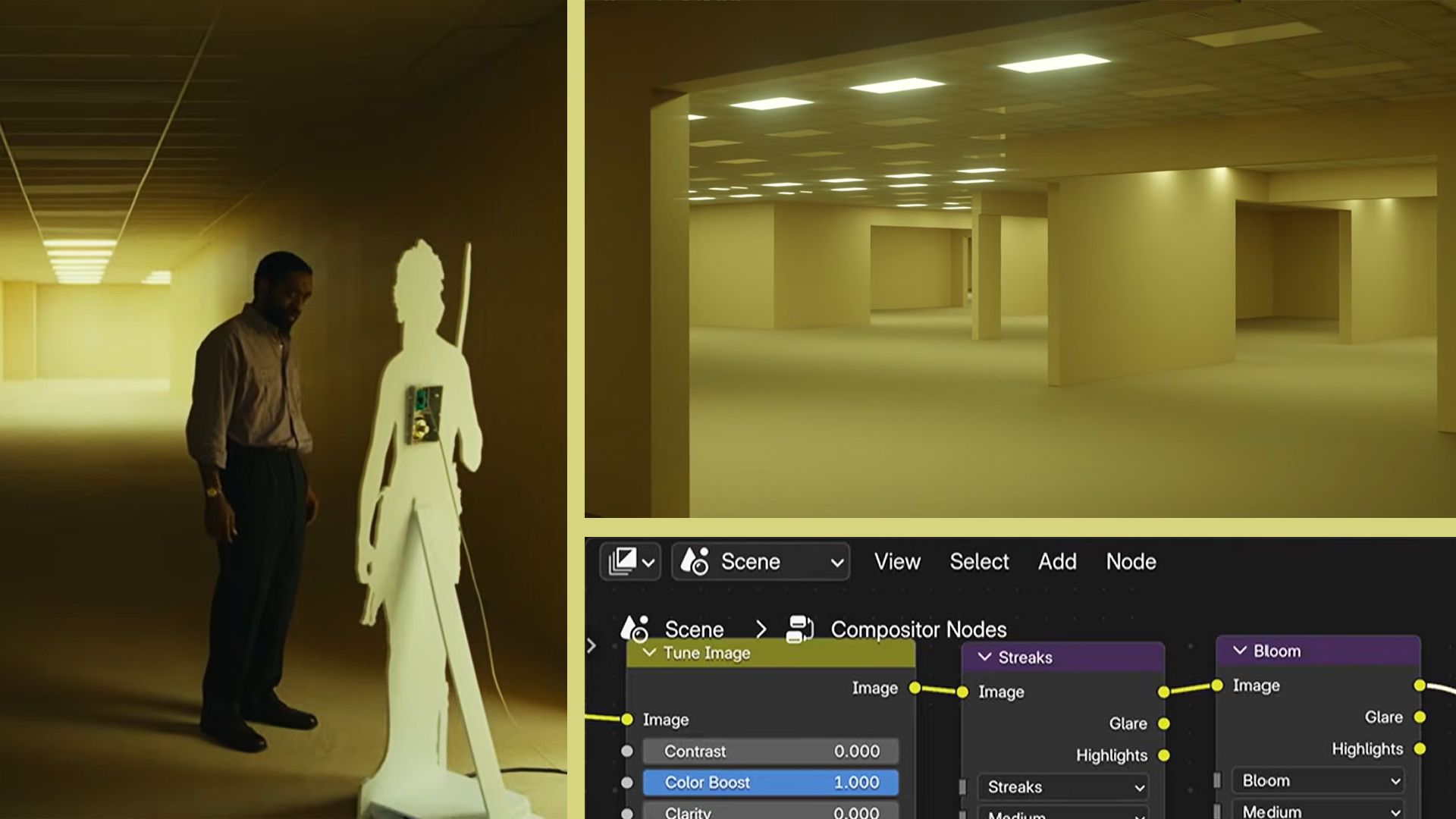
Making your own Backrooms in Blender is surprisingly easy
Creative Bloq · creativebloq.com ↗
The Backrooms — that eerie internet myth of endless, liminal, fluorescent-lit office space — turns out to be a surprisingly approachable subject for Blender beginners and veterans alike. This tutorial walks through how the aesthetic's defining ingredients (tiling carpet textures, buzzing fluorescent lighting, yellowed walls, and oppressive repetition) can be assembled quickly using Blender's procedural texturing and instancing tools. The liminal space genre has become a popular creative exercise in the 3D community precisely because its lo-fi, unsettling quality is more about mood and restraint than technical complexity. It's a great reminder that some of the most evocative 3D environments don't require photorealistic assets — just the right atmosphere.
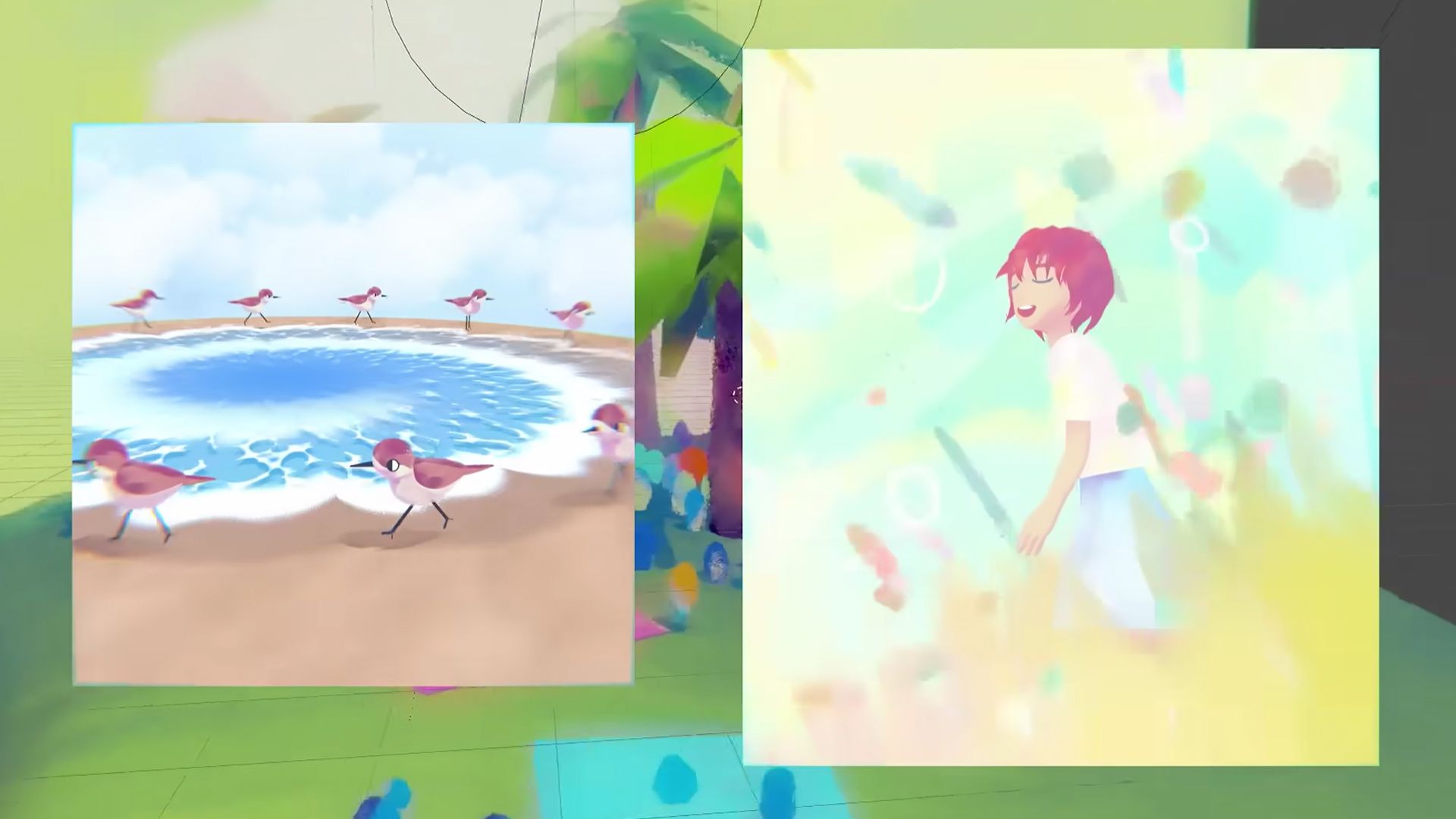
See how this 3D artist uses Blender to make scenes that look hand painted
Creative Bloq · creativebloq.com ↗
A 3D artist has been turning heads online by using Blender to create scenes that are nearly indistinguishable from hand-painted illustration — a testament to how far custom shader work has pushed the boundaries of what real-time and render-based 3D can look like. The distinctive painterly quality comes from a bespoke shader that simulates brushstroke texture, softened edges, and the gentle color bleed characteristic of traditional media. What makes this particularly generous for the community is that the artist is offering her shader as a free download, meaning other Blender users can drop the same look directly into their own projects. It's a compelling example of NPR (Non-Photorealistic Rendering) craft that blurs the line between digital 3D and fine art.

Dappled Light and Hazy Shadows Characterize Clio Sze To's Dynamic Paintings
Grace Ebert · thisiscolossal.com ↗
Paris-based painter Clio Sze To has built a quietly arresting body of work around a very specific kind of light — the dappled, shifting kind that filters through leaves or curtains during an unhurried afternoon walk. Her impressionistic canvases prioritize atmosphere over precision, using hazy shadows and warm, diffused tones to capture the psychological texture of a contemplative moment rather than a literal scene. The works feel deeply rooted in the tradition of French Impressionism while carrying a contemporary emotional directness. Sze To's paintings invite the viewer to slow down, occupying that rare space where fine art doubles as a kind of visual mindfulness — a painted pause in the middle of a busy day.

Retro TV Animation Tutorial
BlenderNation · blendernation.com ↗
This Blender tutorial walks through the full process of modeling a retro television set and bringing it to life with a convincing CRT screen effect built entirely in shader nodes. The real charm of the project lies in the screen shader itself, which simulates the static noise, scan lines, and subtle screen curvature that gave old cathode-ray televisions their distinctive glow. Shader node networks in Blender are well-suited to this kind of procedural effect work, letting artists animate the noise and interference patterns dynamically without any external textures. It's a satisfying project that blends hard-surface modeling fundamentals with creative shader experimentation, and the retro aesthetic makes the end result immediately striking for renders, motion graphics, or scene dressing.