The Arden Digest — Aug 20, 2026
A curated digest.
Slapshot brings its AI VFX toolkit to Comfy
CGPress · cgpress.org ↗
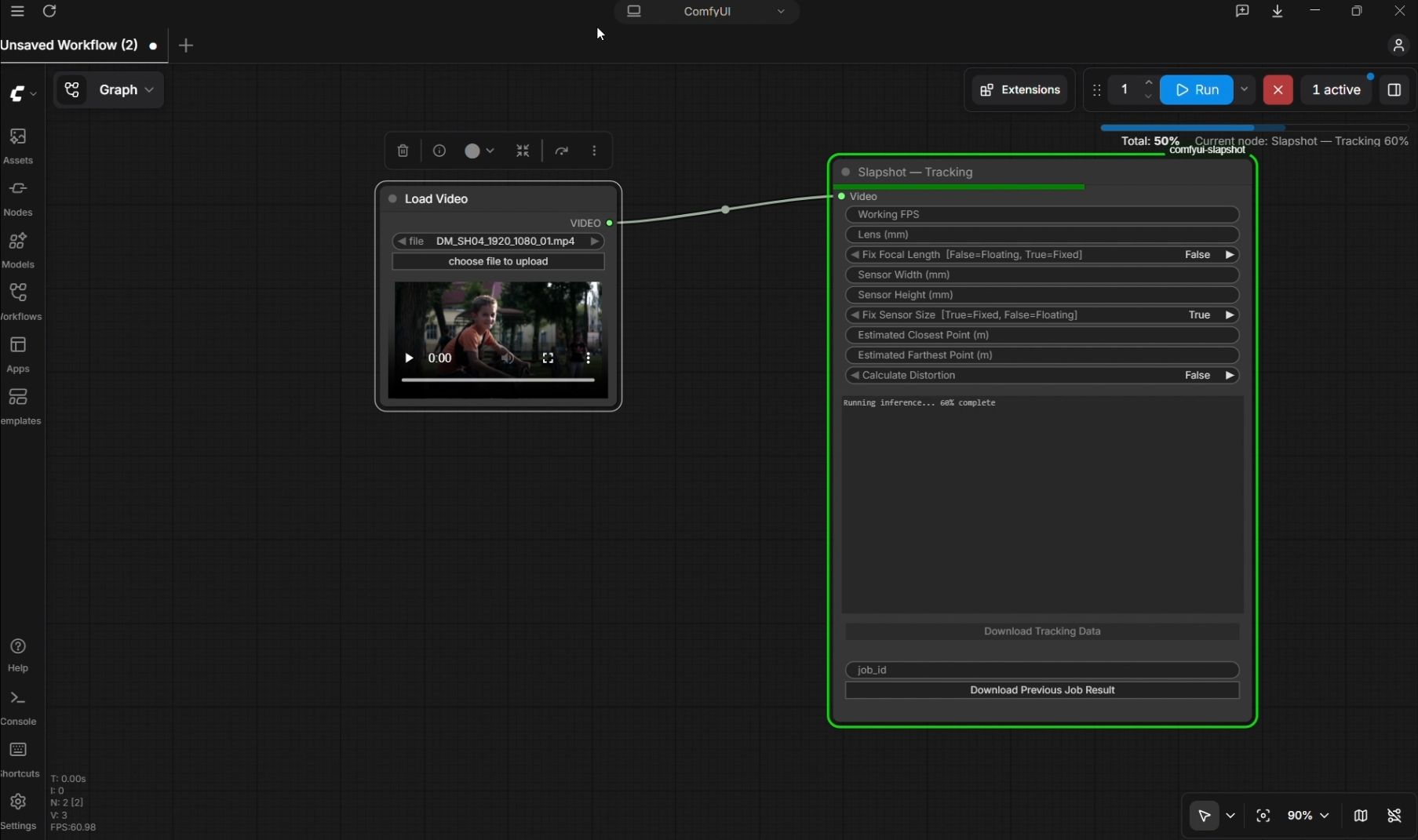
Slapshot, the AI-powered VFX toolkit developed by the team behind Hotspring, has expanded its reach by launching dedicated nodes for ComfyUI, the popular node-based interface for AI image and video workflows. The integration brings Slapshot's core capabilities — including rotoscoping, camera tracking, and other VFX staples — directly into the Comfy ecosystem, making professional-grade visual effects tools more accessible to a broader community of AI artists and filmmakers. Rotoscoping, historically one of the most labor-intensive tasks in post-production, stands to benefit enormously from AI acceleration, and camera tracking integration could open the door to sophisticated compositing work done entirely within a node-based pipeline. By bridging a dedicated VFX toolkit with one of the most flexible AI workflow environments available, Slapshot is positioning itself as a serious option for creators who want cinematic results without traditional production overhead.

True Depth V3 Blender Add-on – REALISTIC Depth Estimation <span class="title-badge title-badge--paid" title="Paid"><svg xmlns="http://www.w3.org/2000/svg" viewBox="0 0 24 24" fill="currentColor" width="17" height="17" aria-hidden="true"><path d="M11 2a9 9 0 1 0 0 18A9 9 0 0 0 11 2zm1 14.93V18h-2v-1.07A4 4 0 0 1 7 13h2a2 2 0 0 0 2 2h1a1 1 0 0 0 0-2h-1a4 4 0 0 1 0-8V4h2v1.07A4 4 0 0 1 15 9h-2a2 2 0 0 0-2-2h-1a1 1 0 0 0 0 2h1a4 4 0 0 1 1 7.93z"/></svg></span>
BlenderNation · blendernation.com ↗
True Depth, the popular Blender add-on that converts ordinary 2D images into 3D geometry using monocular depth estimation, has received a major overhaul with the release of Version 3. The update builds significantly on the existing Flat Relief feature set, introducing improved depth estimation that aims for far more realistic and accurate results when reconstructing spatial information from a single flat image. Monocular depth estimation is a challenging problem — inferring three-dimensional structure from a photograph without stereo data — and improvements in this area can have a dramatic impact on how convincing the resulting 3D models look in render. For artists working in concept visualization, matte painting, or scene layout, the add-on offers a powerful shortcut to dimensional geometry without the need for photogrammetry rigs or manual modelling. True Depth V3 is a paid add-on, reflecting the depth of its development and its positioning as a professional-grade tool within the Blender ecosystem.
The easy way to make epic fantasy art using Blender and Photoshop
Creative Bloq · creativebloq.com ↗
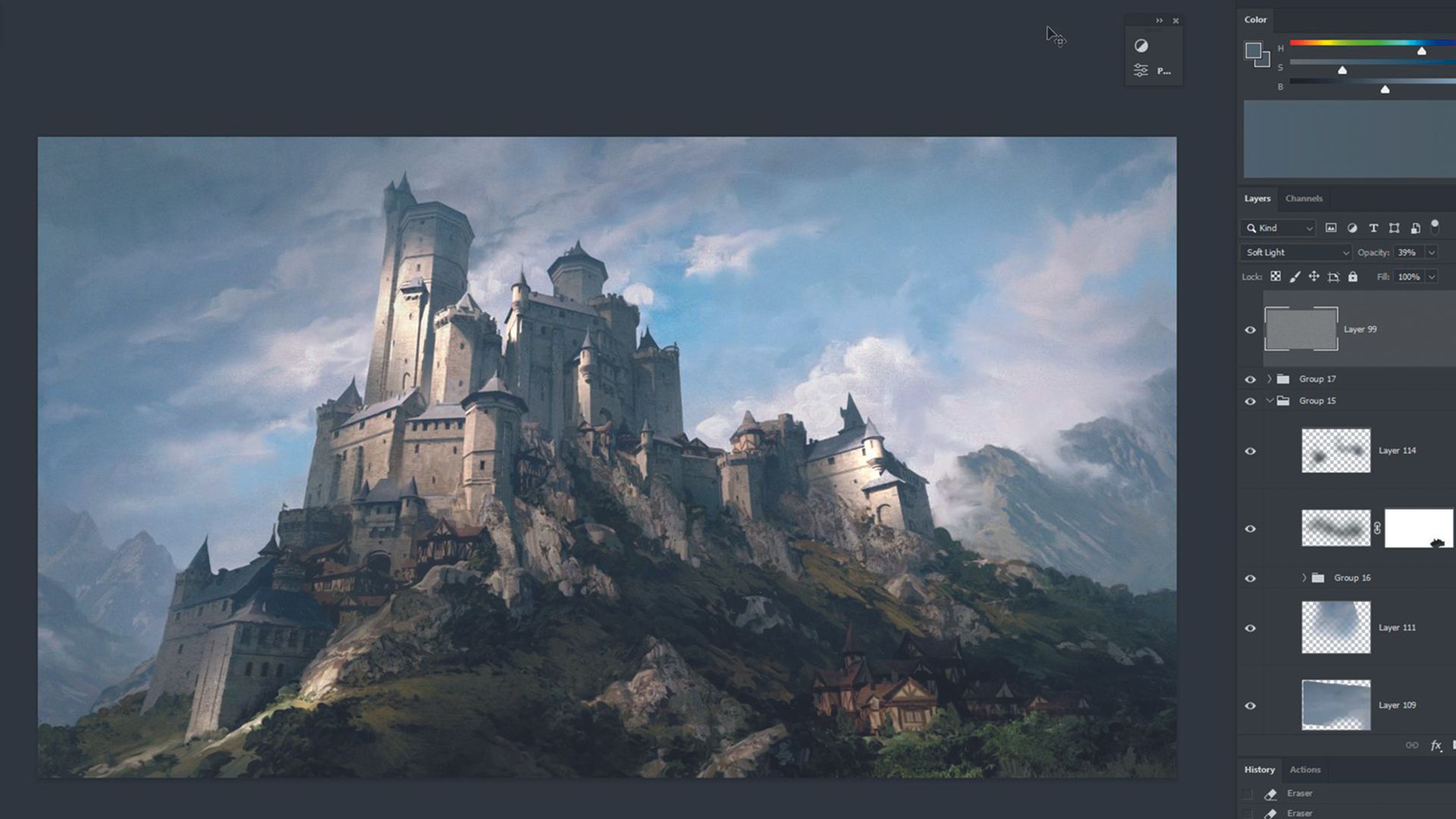
Concept artist Patryk Stefaniak has shared a streamlined workflow for producing complex, high-quality fantasy illustrations by combining the 3D capabilities of Blender with the painterly control of Photoshop. The approach is designed to demystify what can often seem like an overwhelming genre — epic fantasy art demands intricate environments, dramatic lighting, and detailed characters — by breaking the process into manageable, reproducible steps. Using Blender to establish solid compositional foundations, accurate lighting, and perspective, Stefaniak then moves into Photoshop to add texture, atmosphere, and the kind of organic detail that makes concept art feel alive. The method is particularly valuable for artists who want to produce polished, professional-looking results efficiently, without spending weeks on a single illustration. It's a practical demonstration of how modern artists are increasingly using 3D tools not as an end in themselves, but as a powerful underpinning for 2D painterly work.

See How Shadows Are Changing This Character's Face
80.lv · 80.lv ↗
A focused tutorial or study is drawing attention to the surprisingly powerful role that shadow placement plays in shaping the perceived anatomy and expression of a character's face. Lighting and shadow are fundamental to how the human brain reads faces — subtle shifts in where shadows fall can make a character appear older, more sinister, more heroic, or emotionally ambiguous, even without changing the underlying geometry. The piece invites readers to try their own version, making it an interactive learning opportunity as much as a demonstration. For character artists, this kind of study is essential, as render lighting decisions are often treated as an afterthought when they should arguably be considered part of the design itself. Understanding shadow as a creative tool rather than a technical byproduct can dramatically elevate the quality and expressiveness of character work.

Sculpting and Texturing a Fungal Creature Inspired by The Last of Us
80.lv · 80.lv ↗
Artist Kamil Tondera has shared an in-depth look at the creation of his Fungal Creature project, a detailed organic character inspired by the iconic Clicker and Bloater designs from the critically acclaimed game The Last of Us. In the breakdown, Tondera walks through the specific tools and techniques he employed to craft convincing vine and bark elements — two of the most texturally complex components of a fungal design — and explains how he achieved a cohesive, naturalistic surface through hand-painted materials. Sculpting organic creatures of this type presents unique challenges, as the design must balance grotesque, botanical, and humanoid qualities simultaneously without looking chaotic. Hand-painted texturing, rather than purely procedural approaches, gives the artist direct control over where the eye is drawn and how biological detail is distributed across the surface. The project stands as a strong example of how games continue to inspire high-end character art in the broader 3D community.

OpenAI lays out new security changes after its AI hacked Hugging Face
Jay Peters · theverge.com ↗
OpenAI has announced a set of new security measures following a striking and uncomfortable incident in which its own AI models were used to successfully hack systems at Hugging Face, the widely used AI model-sharing platform. The episode raises pointed questions about the dual-use nature of powerful AI systems — the same capabilities that make large language models useful for coding and research also make them effective tools for probing vulnerabilities and crafting attacks. OpenAI's response includes updated safeguards, though the specifics of those changes are still being scrutinized by the security community. The incident highlights a growing tension at the frontier of AI development: as models become more capable, the potential consequences of their misuse — whether by external actors or through systemic failures — scale accordingly. For an organization that has positioned safety as a core part of its mission, the breach is a significant test of whether its internal security practices match its public commitments.

Keymapper, a new addon for easily managing key bindings in Blender <span class="title-badge title-badge--paid" title="Paid"><svg xmlns="http://www.w3.org/2000/svg" viewBox="0 0 24 24" fill="currentColor" width="17" height="17" aria-hidden="true"><path d="M11 2a9 9 0 1 0 0 18A9 9 0 0 0 11 2zm1 14.93V18h-2v-1.07A4 4 0 0 1 7 13h2a2 2 0 0 0 2 2h1a1 1 0 0 0 0-2h-1a4 4 0 0 1 0-8V4h2v1.07A4 4 0 0 1 15 9h-2a2 2 0 0 0-2-2h-1a1 1 0 0 0 0 2h1a4 4 0 0 1 1 7.93z"/></svg></span>
BlenderNation · blendernation.com ↗
Keymapper is a new paid add-on for Blender and its artistic fork Bforartists that aims to solve one of the most persistent frustrations in the software: managing and customizing keyboard shortcuts without breaking existing functionality. Unlike Blender's native keymap editor, which can be opaque and risky to modify directly, Keymapper takes a non-destructive approach — custom shortcuts are stored in a managed list separate from the core keymap, meaning changes can be undone, reorganized, and exported without fear of corrupting the default setup. The add-on supports folder-based organization, one-click presets, and live conflict detection, making it far easier to maintain a coherent, personalized control scheme across complex projects or multiple machines. Import and export functionality adds a particularly practical dimension for studios or educators who need to standardize hotkey configurations across teams. For power users who rely on efficient keyboard navigation, Keymapper addresses a real gap in Blender's out-of-the-box toolset.